How to Set Up a Sandblasting Station in a Small Workshop
Are you tired of sending rusty brake calipers or wheels to external companies for cleaning? Having your own abrasive blasting station saves both time and money while also allowing you to expand your workshop’s service offering. However, buying the machine itself is only part of the process.
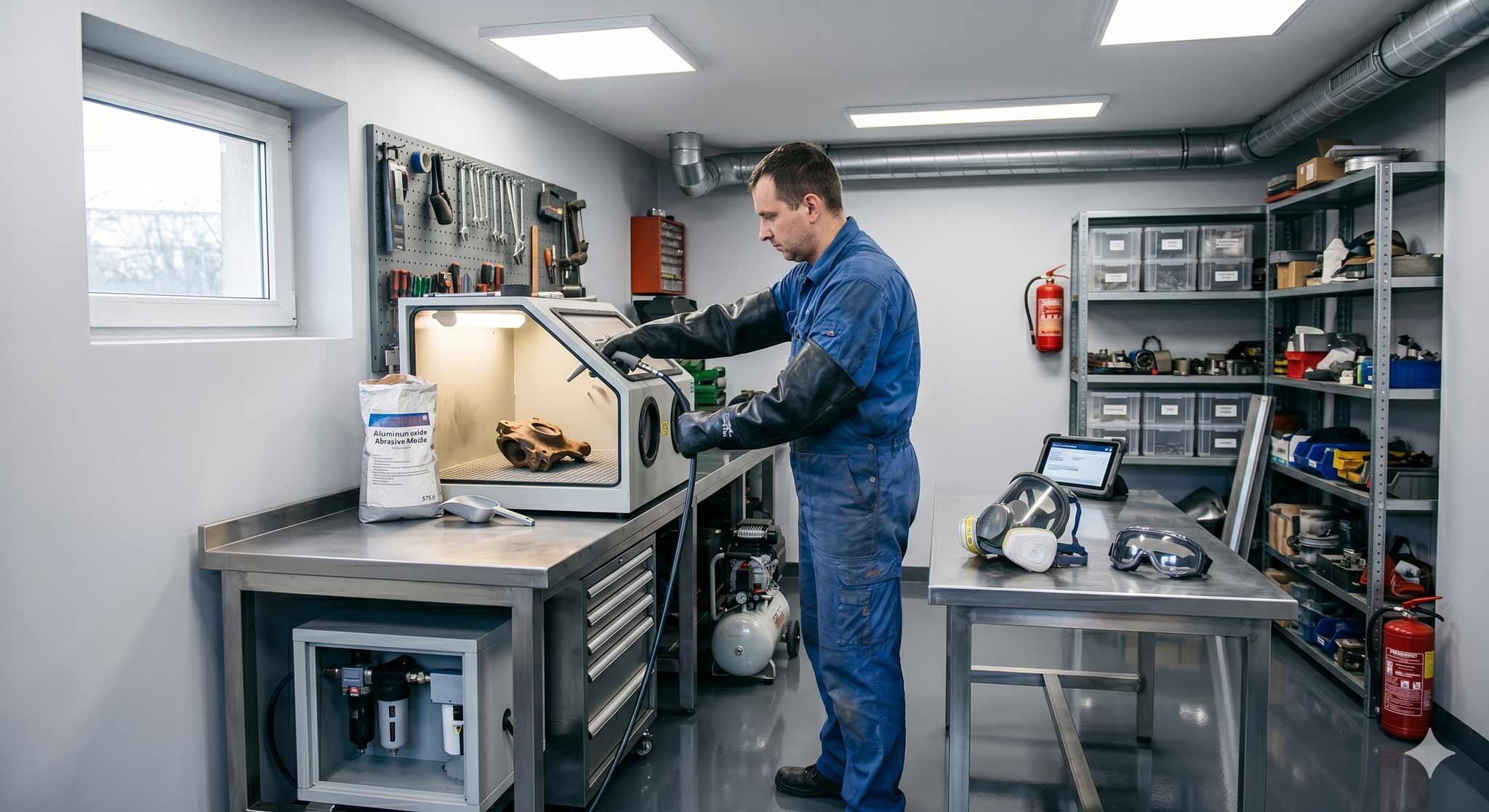
To ensure that a workshop sandblasting cabinet works efficiently without filling the entire workshop with dust, you need to take care of several key elements. Here is your guide to building the perfect blasting station.
1. Choosing the Machine: Why a Cabinet?
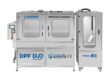
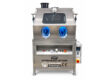
In a small workshop, open-air sandblasting is not an option due to safety regulations and the amount of mess it creates. The solution is a sandblasting cabinet — a closed system in which the abrasive media circulates separately from the surrounding environment.
What should you pay attention to when buying one?
- Working chamber size: You need to consider what types of parts you will be cleaning. A small cabinet is enough for brake calipers, but if you plan to restore wheels or motorcycle frames, you will need a model with a larger opening (often top- or side-opening).
- Type of blasting gun: Injector systems are cheaper and easier to operate, making them ideal for lighter work.
2. The Compressor – The Heart of the System (This Is Where Most People Make Mistakes!)
The most common issue beginners face? “I bought a sandblaster, but it only polishes the rust instead of removing it.” In most cases, the compressor is the problem.
Sandblasting requires huge amounts of compressed air. Pressure (bar/psi) is important, but airflow capacity (liters per minute or CFM) is the key factor.
- Even a small nozzle requires at least 400–500 l/min of effective airflow.
- A standard DIY 50-liter piston compressor is not enough — it will run continuously, overheat, and lose pressure after just a few seconds of operation.
- For professional work, we recommend screw compressors with large air receiver tanks.
3. Ventilation and Dust Extraction – A Matter of Visibility
Inside a closed cabinet, abrasive impact generates large amounts of dust. Without proper extraction, after one minute of work you will barely see your own hands, and dust will begin spreading throughout the workshop.
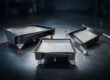
Professional Marwis blasting cabinets feature integrated dust extraction systems. If you are also building a grinding station nearby, it is worth investing in grinding tables with built-in extraction systems that protect your employees’ lungs by removing dust directly at the source.
4. It’s Not Just Sand: Choosing the Right Abrasive Media
Remember, the term “sandblaster” is only conventional. Using ordinary quartz sand is harmful (silicosis risk) and often prohibited. Depending on the effect you want to achieve, choose the correct abrasive media:
- Aluminum oxide: Very hard and sharp-edged. Ideal for removing heavy corrosion and old paint from steel.
- Glass beads: Used for glass bead blasting. They do not remove material aggressively but instead clean and polish the surface. Essential when working with aluminum parts (engines, crankcases).
- Steel shot: Designed for highly aggressive industrial blasting applications.
5. Preparation Before Sandblasting
One important rule: never place greasy or oily parts inside a blasting cabinet! Oil and grease quickly clog the abrasive media, making it unusable and potentially blocking the blasting nozzle.
Before sandblasting, every part must be properly cleaned and degreased. Manual workshop parts washers are indispensable here, preparing components for further processing in just a few minutes.
Summary
Having your own sandblasting cabinet means independence and faster turnaround times. However, remember that the machine itself is only part of the equation. Success depends on having an efficient compressor and selecting the right abrasive media.
Wondering which cabinet model will fit your workshop? Contact the Marwis team — we will help you choose the right equipment for your compressor and your needs!